Industrial Automation Engineering

China Best Automatic Rotor Winding Machine Exporter & Exporters

High-Precision Armature & Stator Manufacturing Infrastructure — Engineered for Maximum Slot Fill Factors, Tight Balancing Tolerances, and Industrial Scale.

Factory Direct Catalog

Engineered Motor Automation Equipment: Stator & Rotor Systems

Precision coil winders, wedge inserters, slot lining automation, and lacing cells built to strict dynamic balancing and thermal dissipation standards for Tier-1 industrial applications.

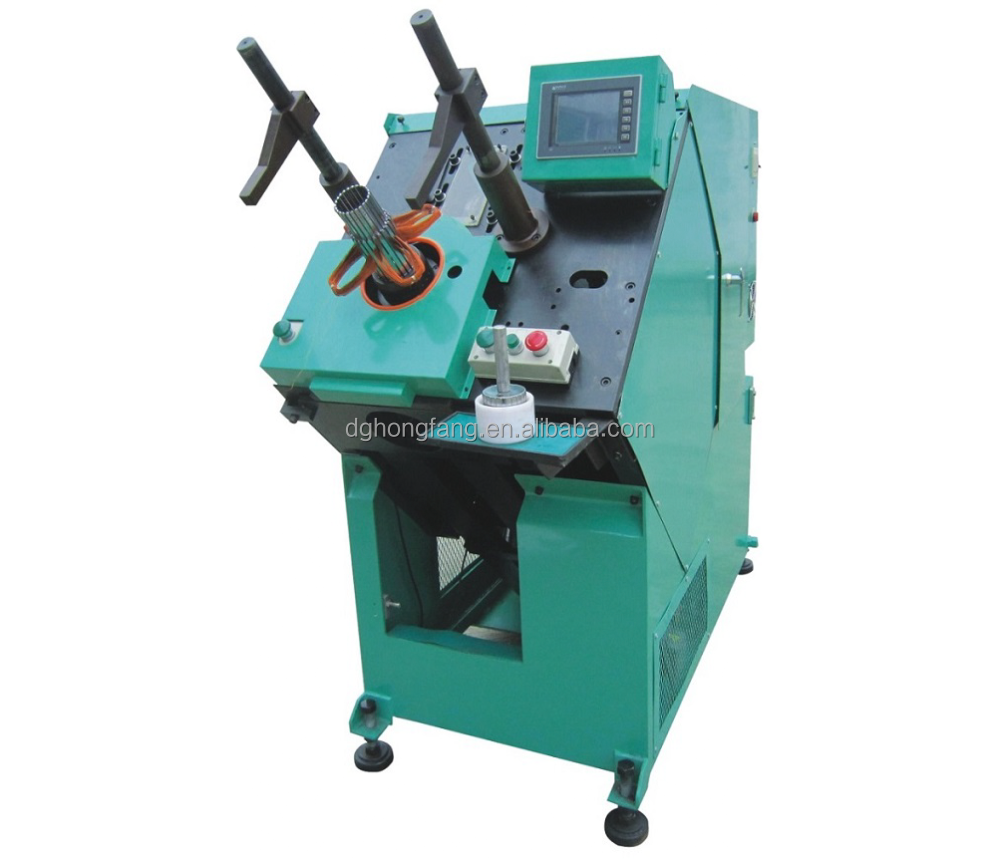
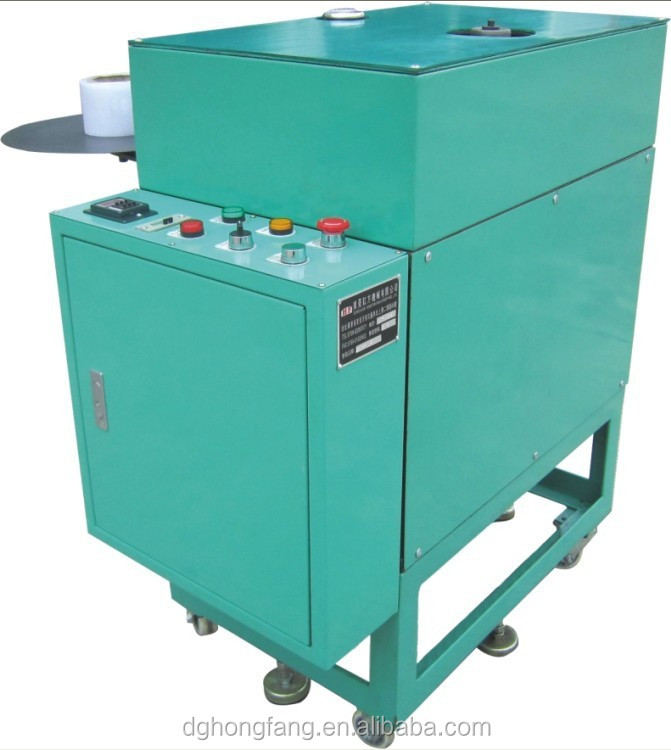
Automatic Servo System Stator Coil and Wedge Inserting Machine

Automatic Servo System Stator Coil and Wedge Inserting Machine

  • Synchronized Single-Stroke Transfer
  • High Copper Enamel Protection
  • 1-Year Comprehensive Warranty
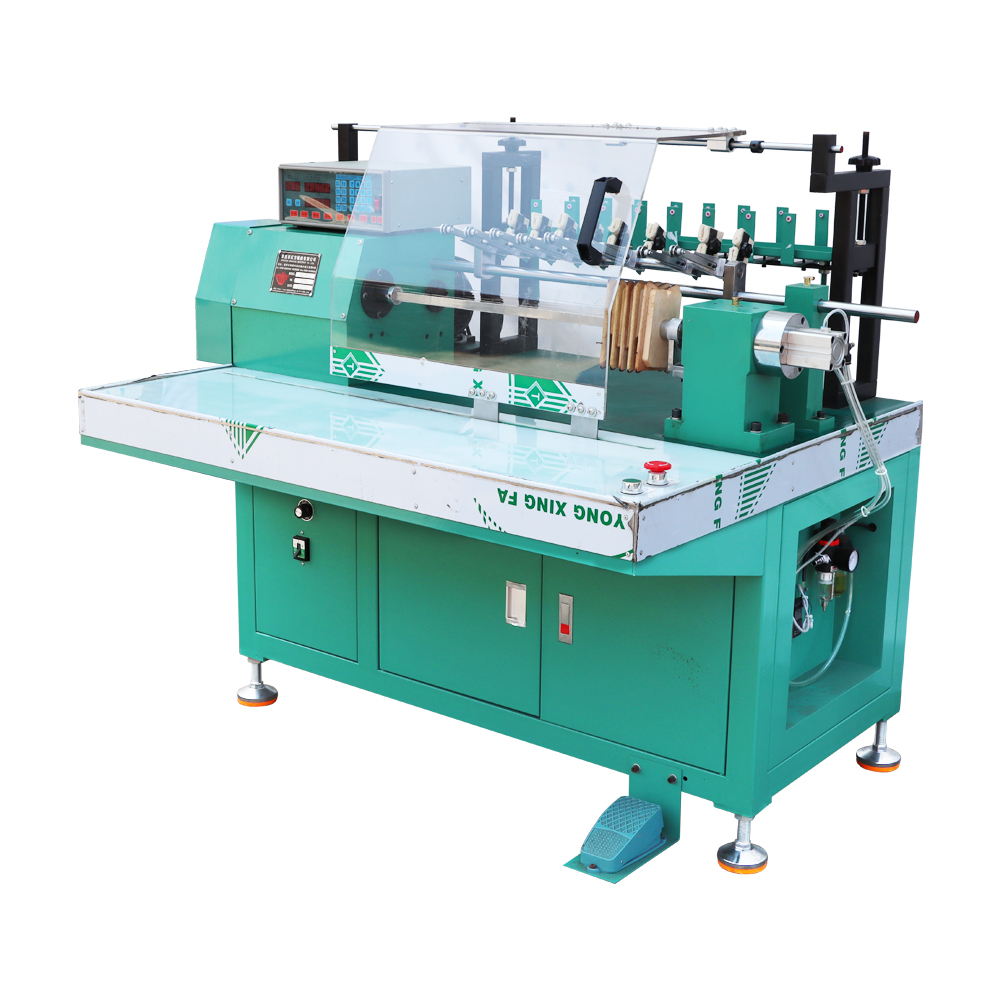
Automatic Semi Automatic Coil Winding Machine for Fan Motor Stator Copper Aluminum Wire

Automatic Semi Automatic Coil Winding Machine for Fan Motor Stator Copper/Aluminum Wire Single Phase 220V 0.1-1.2mm Wire

  • Gauge Capability: 0.1mm - 1.2mm
  • Cu & Al Dual Wire Compatibility
  • Low-Vibration Rigid Chassis
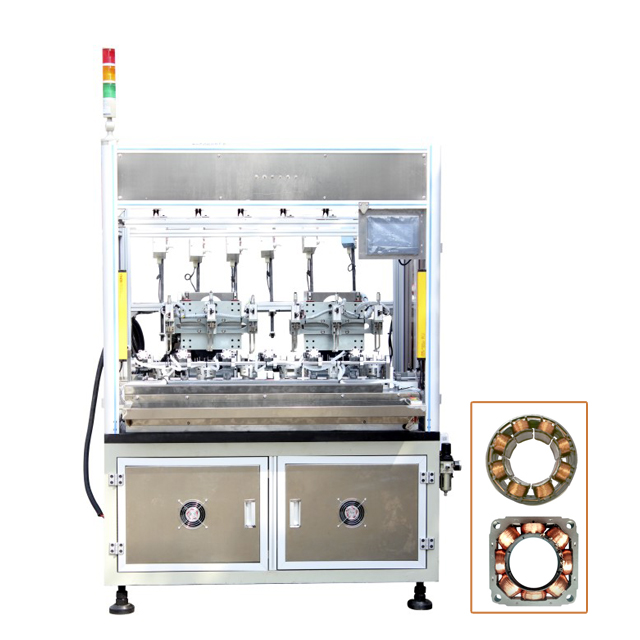
HF-LO2-6G Six Stations Internal Winding Machine with PLC

HF-LO2-6G Six Stations Internal Winding Machine with PLC and Engine 1 Year Warranty for Motor Coil Inner Stator

  • 6 Rotary Indexing Stations
  • Multi-Pole Brushless / BLDC Ready
  • Microprocessor Controlled Indexer
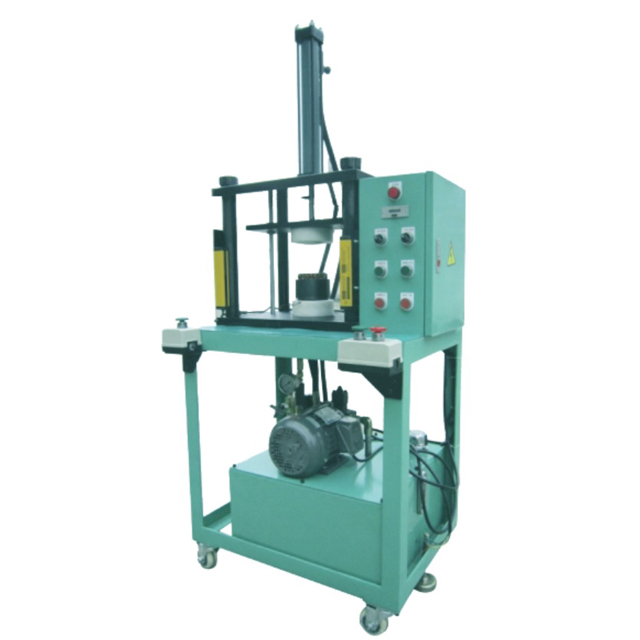
HF-W120H HONGFANG Electric Motor Stator Coil Final Forming Second Shaping Machine

HF-W120H HONGFANG Electric Motor Stator Coil Final Forming Second Shaping Machine for Manufacturing Plant New 1 Year Gear

  • Uniform Hydraulic Overhang Shaping
  • Eliminates Rotor Bore Interference
  • Quick-Change Tooling Dies
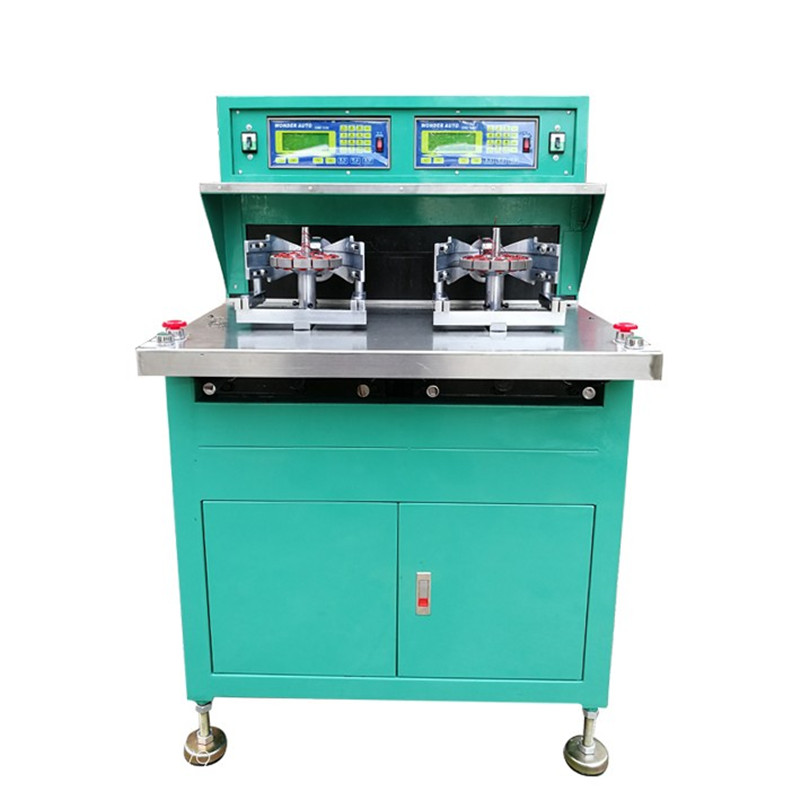
HF-R40-2G Automatic Ceiling Fan Stator Winding Machine

HF-R40-2G Automatic Ceiling Fan Stator Winding Machine Two Controllers Two Stations Motor 1 Year Warranty

  • Twin Independent Controllers
  • High-Speed Flyer Arm Geometry
  • High Production Yield Architecture
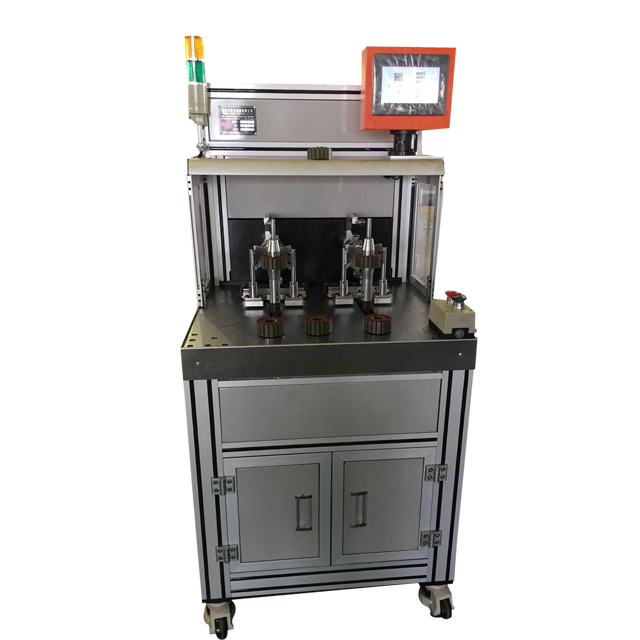
Stator Winding Machine 2 Station Outernal Winding Machine

Stator Winding Machine 2 Station Outernal Winding Machine outer winding for Transformer Motor

  • External Stator & Outrunner Poles
  • Dual Synchronized Mandrels
  • Constant Dynamic Wire Tensioning
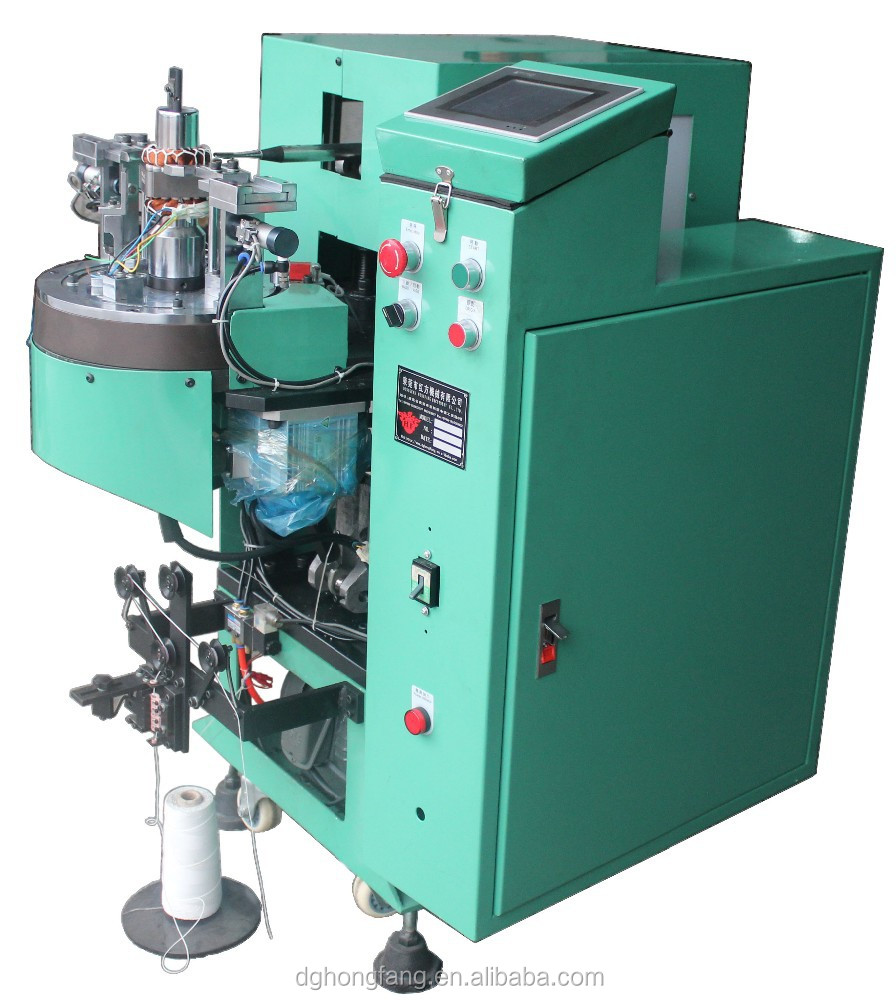
HF Single Side Lacing Machine for Table Fan Motor Stator Coil

HF Single Side Lacing Machine for Table Fan Motor Stator Coil 1000W 380V/220V

  • High-Tension Stitch Binding
  • Multi-Pattern Slot Skipping
  • Rigid End-Turn Structural Security
17+
Years Global Exporting
≤9h
Engineering Response SLA
1 Set
Custom Machining MOQ
±0.002mm
Tooling Centerline Precision

Engineering Overview: Rotor & Stator Automated Winding Fundamentals

Modern electric motor manufacturing faces stringent standards under IEC 60034-30-1 (IE3, IE4, and Super Premium IE5 efficiency classes) and NEMA MG 1. Achieving these higher electrical efficiency bands requires tighter physical control during winding. In both wound-rotor configurations (such as universal motors, automotive starters, traction alternators, and brushed DC units) and brushless outer-rotor or inner-stator permanent magnet motors, winding accuracy determines product consistency.

Evaluating an automated winding system goes beyond wire laying speed. The core design challenge is optimizing the slot fill factor (copper fill percentage) without micro-fracturing the insulation layer of the magnet wire. Manual or legacy semi-automatic winders typically max out at a 60% to 65% total slot fill factor before wire cross-overs cause hot spots, insulation scrapes, or mechanical wedging failures. Modern computer-controlled flyer winders and multi-axis needle winding platforms push this boundary to 78%–84% slot fill factors via closed-loop electromagnetic tensioning and CNC wire guide tracking.

Kinematic Configurations: Flyer vs. Spindle vs. Multi-Axis Needle Winding

Different armature and core architectures demand specific kinematic motions. Selecting the right setup is essential for clean line design:

Flyer Armature Winders

Ideal for multi-slot universal armatures and small DC rotors. High-speed counter-balanced flyer arms rotate at up to 3,000 RPM, feeding wire over guiding shrouds directly into opposing slots while automatically hooking commutator risers with integrated deburring and tang-forming modules.

Multi-Axis Needle Winders

Engineered for concentrated-winding BLDC outer rotors and segmented internal stators. Hollow carbide nozzles guide wire directly along the tooth throat with programmatic 3D path control, ensuring neat orthocyclic layer winding with minimal end-turn wire waste.

Automated Transfer Winders

Designed for distributed winding AC induction motors. Coils are pre-wound on precision aluminum tooling dies and shifted into receiver magazines, ready for simultaneous, non-abrasive single-stroke insertion alongside electrical wedge liners.
Procurement & Technical Evaluation Framework for Engineering Teams

For operations directors and plant procurement managers, buying automated motor production equipment from an exporter requires balancing short-term capital expense against long-term maintenance costs and scrap rates. Unplanned downtime or coil dielectric failures in assembly quickly erase initial savings on equipment purchase.

Evaluation Parameter Standard Low-Cost Exporter Benchmark Zunqi Intelligent Engineering Specification Operational Impact on Production Lines
Tension Control Loop Mechanical friction pads / manual spring nuts Closed-loop digital hysteresis / servo-driven load cell Eliminates wire necking, resistance spikes, and insulation thinning.
Spindle/Flyer Runout Radial runout ≤ 0.025 mm Ultra-precision dynamic balance runout ≤ 0.005 mm Prevents bearing wear and vibration at speeds over 2,500 RPM.
Controller Architecture Proprietary third-party boards with limited language support PLC systems: Mitsubishi / Delta / Siemens (IEC 61131-3) Simplifies in-house maintenance, remote access, and spare parts sourcing.
Die Wear Resistance Standard Cr12MoV tool steel (HRC 56-58) Tungsten Carbide inserts + DC53 vacuum heat-treated (HRC 62-64) Handles high-volume stamping without burrs or slot liner distortion.
Tooling Changeover Manual re-alignment taking 120–180 minutes Pre-indexed quick-release alignment tooling under 30 minutes Supports high-mix, low-volume (HMLV) lean cellular production.

Future Industry Trends: Next-Gen Automated Winding (2025–2030)

The motor manufacturing industry is shifting due to two major market forces: the electrification of commercial equipment and the race for higher power density in home appliances and electric mobility. Winding machine procurement is adapting to several clear technology trends:

Hairpin & Flat Wire Integration

Rectangular magnet wire is moving down from high-end EV powertrains into industrial servo and high-efficiency compressor motors. Rectangular conductors improve heat dissipation and raise slot copper fill past 85%, driving demand for continuous hair-pin and wave-winding winding technologies.

In-Line Vision & AI Quality Verification

Rather than checking quality only after assembly, modern cells integrate high-resolution CCD cameras and eddy-current sensors into the winding head. The system inspects wire cross-overs, insulation micro-fissures, and hook joints in real-time, instantly rejecting out-of-spec parts.

Edge Connectivity & Predictive Maintenance

Exported machines increasingly require industrial edge nodes that broadcast real-time metrics (spindle current, cycle time, motor thermal load, bearing vibration) via OPC UA or MQTT into shop-floor MES platforms, enabling predictive alerts before a tooling crash happens.

Manufacturer & Exporter Authority

Why Global Buyers Rely on Zunqi Intelligent Equipment

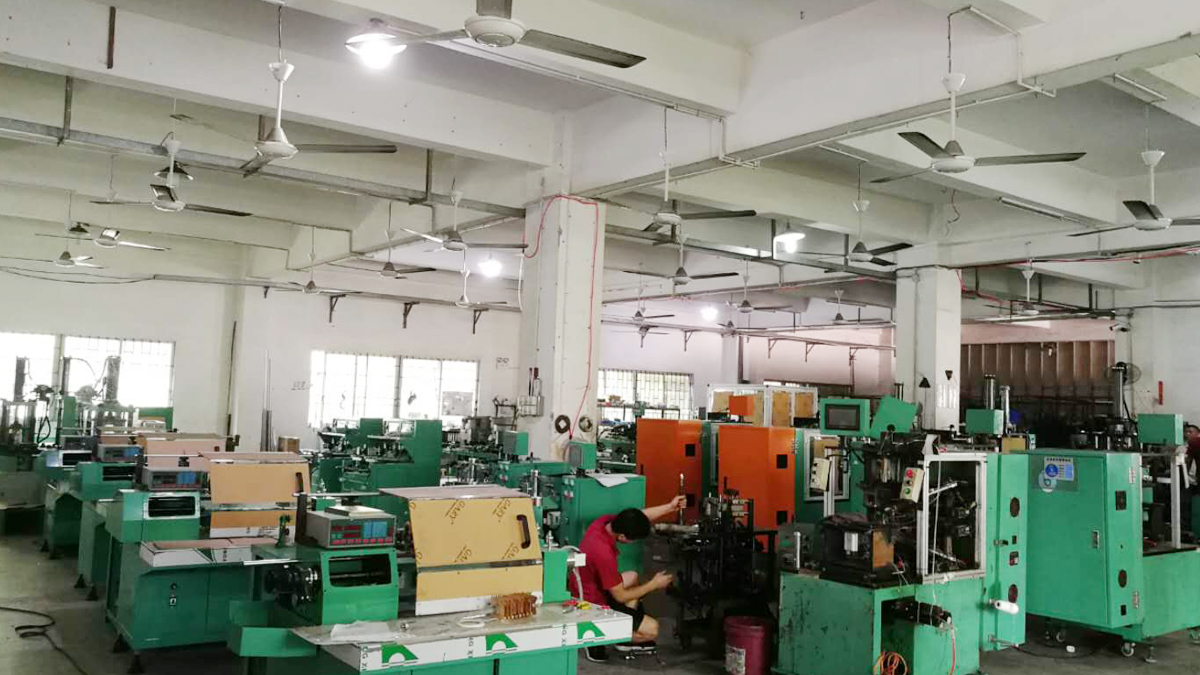
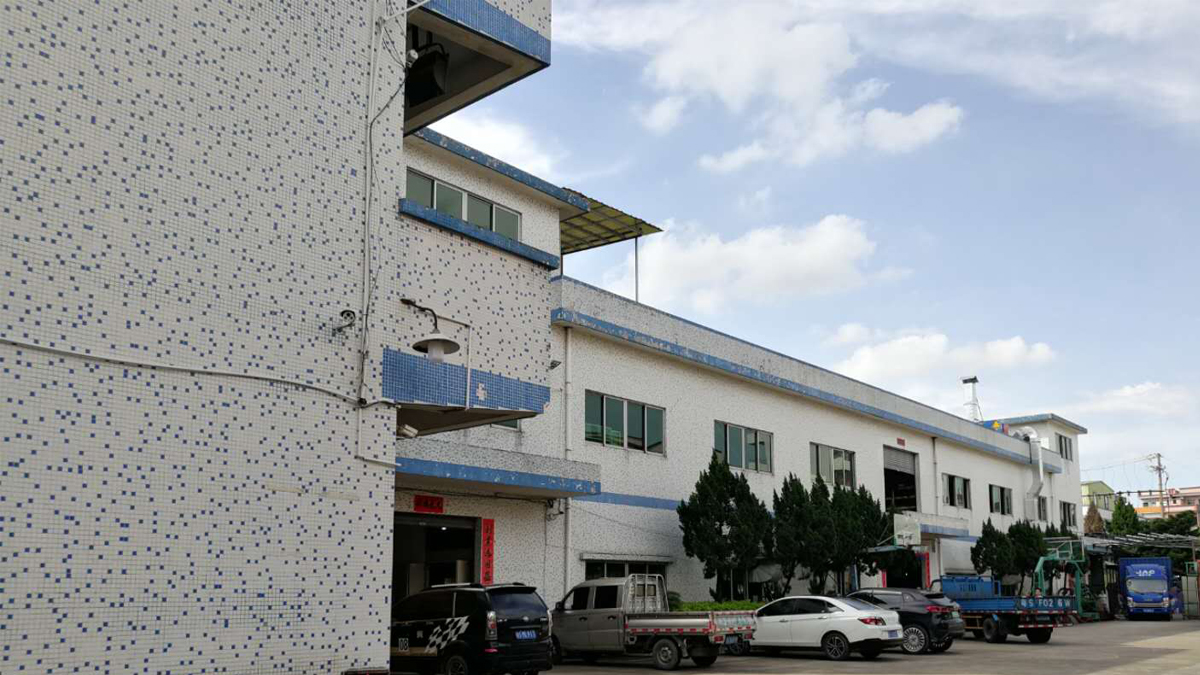
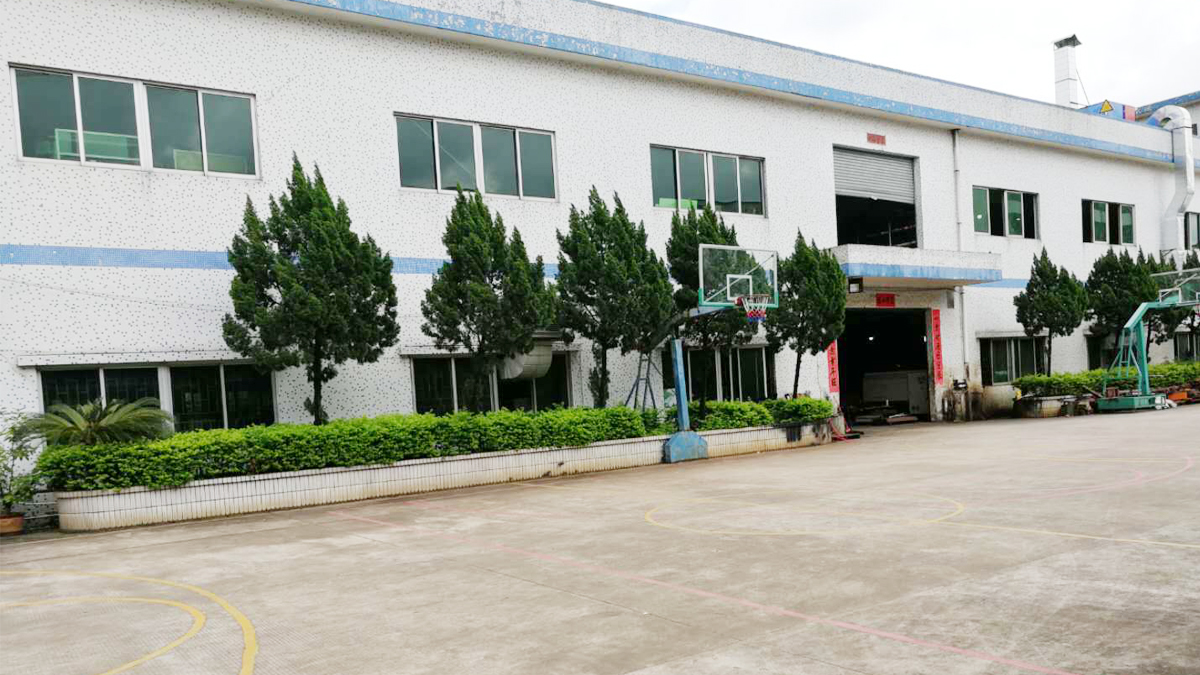
Headquartered in Qishi Town, Dongguan City—within the hub of China's electrical machinery manufacturing sector—Zunqi Intelligent Equipment Co., Ltd. builds stator, armature, and rotor automation lines backed by over 17 years of global export experience.

Unlike standard trading operations, our 51–100 person workforce combines in-house mechanical CAD tooling, electrical assembly, and rigorous testing on customer laminations. We manage every step: slot insulation insertion, multi-axis flyer winding, coil-and-wedge single-stroke inserting, mid-forming, double-sided automated lacing, and secondary hydraulic shaping, down to final shaft press-fitting and CNC rotor turning.

We tailor control architectures to local maintenance preferences—integrating Siemens, Delta, Mitsubishi, or Omron control packages so your technicians can manage lines easily without proprietary supplier lock-in.

Procurement Insights

Frequently Asked Questions: Motor Line Investment & Sourcing

Key technical and commercial considerations for plant engineers sourcing automatic winding, inserting, and shaping systems.

What are the essential stator and rotor parameters required to generate a tooling design quote?

To engineer tooling dies and calculate cycle times, we need: (1) 2D/3D technical drawings of the lamination stack showing stator/rotor inner diameter (ID), outer diameter (OD), stack height, and slot dimensions; (2) Wire specifications including nominal conductor diameter, insulation grade (e.g., Grade 1 vs. Grade 2), and material (copper or aluminum); (3) Winding scheme (turns per slot, pole numbers, connection type); and (4) Commutator dimensions or slot insulation paper specifications (thickness, cut profile). Sending physical core samples ensures factory test verification before shipment.

How does automated slot and wedge inserting avoid scratching the magnet wire enamel?

Our combined coil and wedge inserting machines use ground, mirror-polished pushing blades and custom guide guides sized to your slot opening. The guide fingers maintain slot paper opening alignment while pushing coils and slot wedges simultaneously in one stroke. This eliminates the wire friction, crossover pinches, and insulation scuffing common to multi-step manual insertion methods.

Can one automatic winding machine handle different motor frame sizes and slot counts?

Yes. Our machines use modular tooling tooling designs. While parameters like stack height, turn count, wire tension, and winding speed can be adjusted directly via the PLC touchscreen, changes to stator ID, slot count, or core profile are accommodated by swapping the tooling dies, wire guides, and clamp collets. Changeovers typically take under 30 minutes with our pre-indexed quick-release alignment systems.

What after-sales service, commissioning support, and warranty coverage do you provide internationally?

Every Zunqi machine is covered by a 1-year comprehensive mechanical and electrical warranty. Prior to export crating, we share full trial-run video evidence operating on your supplied laminations. For installation, we provide high-definition step-by-step setup guides, live video commissioning, and direct technical chat channels (average response time under 9 hours). For complete turnkey plants, we can dispatch field service engineers for on-site layout setup, line balancing, and operator training.

What is your Minimum Order Quantity (MOQ) and production lead time for customized winders?

The MOQ for custom automated machinery is 1 set. Standard catalog machines with existing tooling profiles ship in 15 to 25 business days. Fully customized automation systems—requiring bespoke tooling design, CNC part machining, electrical cabinet wiring, and physical lamination trial testing—typically ship within 30 to 45 business days in seaworthy, vacuum-sealed, fumigation-free plywood crating.

Upgrade Your Motor Manufacturing Line Today

Consult directly with our engineering team in Dongguan. Send your lamination drawings, coil specifications, and target output rates to receive a complete tooling proposal and machine layout review.